
No-Smartphone Week: What Happens When You Go Back to a Flip Phone
Trade your smartphone for a flip phone for one week and reclaim your attention. This article explores the immediate psychological, social, and practical effects of a digital detox and the surprising mental clarity that returns when constant distraction disappears.
Sid
11/3/20253 min read
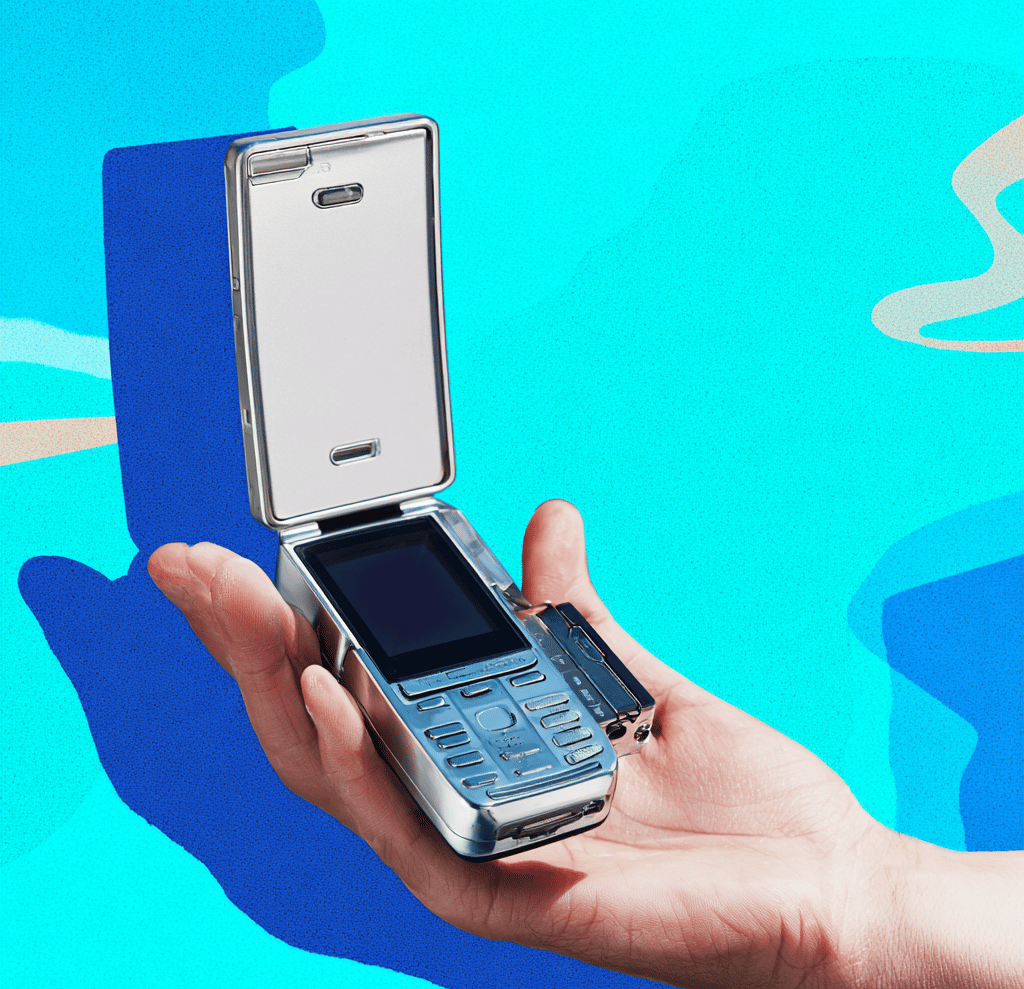
The modern smartphone is a paradox. It promises to connect us to the entire world, yet often disconnects us from our immediate surroundings. It offers infinite knowledge, yet often destroys our capacity for deep focus. For a generation exhausted by the tyranny of the endless scroll and the constant chime of notifications, the idea of a digital detox has gained immense appeal. The ultimate, most radical form of this detox is a simple experiment: trade your high powered, pocket sized supercomputer for a basic, low fidelity flip phone for one entire week. The results of this deliberate technological regression are often profound, revealing just how deeply our devices have rewired our attention spans and social habits.
The immediate reaction to switching to a flip phone is a strange, persistent phantom limb syndrome. Your hand automatically reaches for your pocket or purse, your thumb twitches, expecting the smooth glass screen, and your brain signals an anxiety born from the perceived lack of connection. This initial discomfort is the first crucial lesson: the reflex to check the phone is not a conscious choice, but a deeply ingrained, addictive habit deliberately engineered by app developers. For the first few days, you feel a genuine sense of FOMO, the fear of missing out, until you realize that what you are missing is usually only noise, not substance.
Once the initial panic subsides, the most significant change is the sudden and glorious return of attention and focus. Without the infinite abyss of social media, news alerts, and email constantly beckoning from your pocket, your brain has nowhere to go but the present moment.5 Those fragmented pockets of time waiting in line, sitting on public transport, or during a work break are suddenly empty. This emptiness is not a void, it is an opportunity. Instead of passively consuming content, you are forced to engage with your environment, your thoughts, or a tangible activity. Many people find they start reading books again, sketching, or simply allowing their minds to wander, a crucial function for creative thinking that the smartphone systematically eliminates. This newfound mental space is the key benefit of the flip phone challenge.
The shift in social dynamics is equally striking. Because the flip phone's T9 keypad makes texting a deliberate, slow, and often frustrating process, communication defaults back to voice calls. This simple technological barrier encourages richer, more meaningful interactions. Instead of hiding behind text bubbles, you are compelled to call friends and family, leading to deeper, more engaged conversations that often last longer than a typical text exchange. Furthermore, in face to face interactions, the flip phone remains closed. The satisfying snap of closing the phone acts as a powerful, non verbal signal to the person you are with that they have your undivided, full attention. Friends and colleagues notice this shift and often respond in kind, improving the quality of the interaction dramatically.
However, the experience is not without its significant practical hurdles. The flip phone is a functional tool, not a lifestyle assistant, and its limitations quickly become apparent. Navigation is the single greatest inconvenience. Gone is the immediate, turn by turn GPS, forcing you to rely on pre printed directions, local knowledge, or, ironically, the kindness of strangers. Tasks that once took seconds become small expeditions. Checking store hours, confirming a reservation, or looking up a quick fact becomes a process that requires a laptop or asking someone else, forcing a reliance on prior planning and external resources that modern smartphone users have completely lost.
A final, subtle benefit is the elimination of battery anxiety. While the smartphone requires daily or even half day charging, the flip phone often lasts for several days on a single charge. This freedom from the constant tether to a power outlet is a quiet relief that contributes to a general sense of being less beholden to technology.
The ultimate lesson of the No Smartphone Week is revealed when you switch back to your modern device. After seven days of mental clarity, the smartphone no longer feels like an indispensable helper it feels like a high powered, meticulously designed distraction machine. Many participants report a newfound intentionality in their usage. They recognize the specific apps that wasted their time and are more disciplined about deleting them or moving them to secondary screens. The experiment proves that the problem is not the technology itself, but the lack of boundaries. The flip phone is the ultimate boundary, a simple tool that forces you to use it for its primary function and nothing more, allowing you to reclaim ownership of your own attention.